On 12th September 2025 we held the SaTA annual conference. The theme was “Connecting and collaborating in TCIM research”
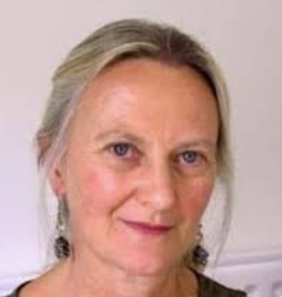 Firstly we enjoyed a keynote speech from professor Nicola Robinson (pictured), followed by three oral presentation sessions and a poster session. We also had an update on development at SaTA. Professor Robinson talked about her long and illustrious career, which involved a wide range of collaborations and flagged the importance of making those connections and not being afraid to contact people and ask for help.
The standard of the research presented was exceptional and the trustees judging the best oral and poster prize had a really tough job. The winner of the poster prize was Lesley Ward from Northumbria University who presented the Gentle Years Yoga trial, and the winner of the best oral presentation was Nick Lowe with an analysis of the clinical registry and case report data for the clinical outcomes of acupuncture.
The abstracts for the work presented, and some of the presentations, are available on the SaTA website
We had some great discussions in the Q&A sessions around various topics. Some of my personal highlights included talking about how research and interventions can be tailored to particular populations, for example Anna Cheshire who talked about people living with Long Covid, or Lesley’s work on yoga and how to make this appealing to older people. We talked about the importance of including people with lived experience in our research. Another interesting discussion was around the importance of publishing negative studies. A number of different presentations highlighted the value of including qualitative research methods into trials, where they can help to explain findings and what challenges were faced in the trial. We also talked about the role that health economics can play, even in small studies not just randomised control trials.
There was some discussion around the challenges of being a practitioner researcher, and this was flagged as an area which maybe needs some more research done on it. An interesting suggestion was to collect routine patient data and then take it to a university who you want to collaborate with – coming with a ready-made data set can really boost your chances of finding a collaborator.
If you missed the conference and would like to watch the recording, please email [email protected]